If paper can fly,
what can you do?

Experiential origami workshops for meaning, focus, and hope

Origami Meaning Lab is a space for discovering meaning through working with your hands. Inspired by the principles of logotherapy, we create origami experiences for children, parents, schools, and organizations – for anyone seeking focus, meaning, and presence in the moment.

EXPLORE WORKSHOPS

Our Story

How it all began

Our first origami workshop was born out of need. We had no clear project. We had no clear idea.

At that time, Sashko was 10 years old, just four months after an unclear diagnosis, wrong treatment, and severe side effects. It was difficult – physically, emotionally, and purely human.

My parental heart desperately sought a way to help him. To show him he is important. That he is needed. That he can do much more than he thinks.

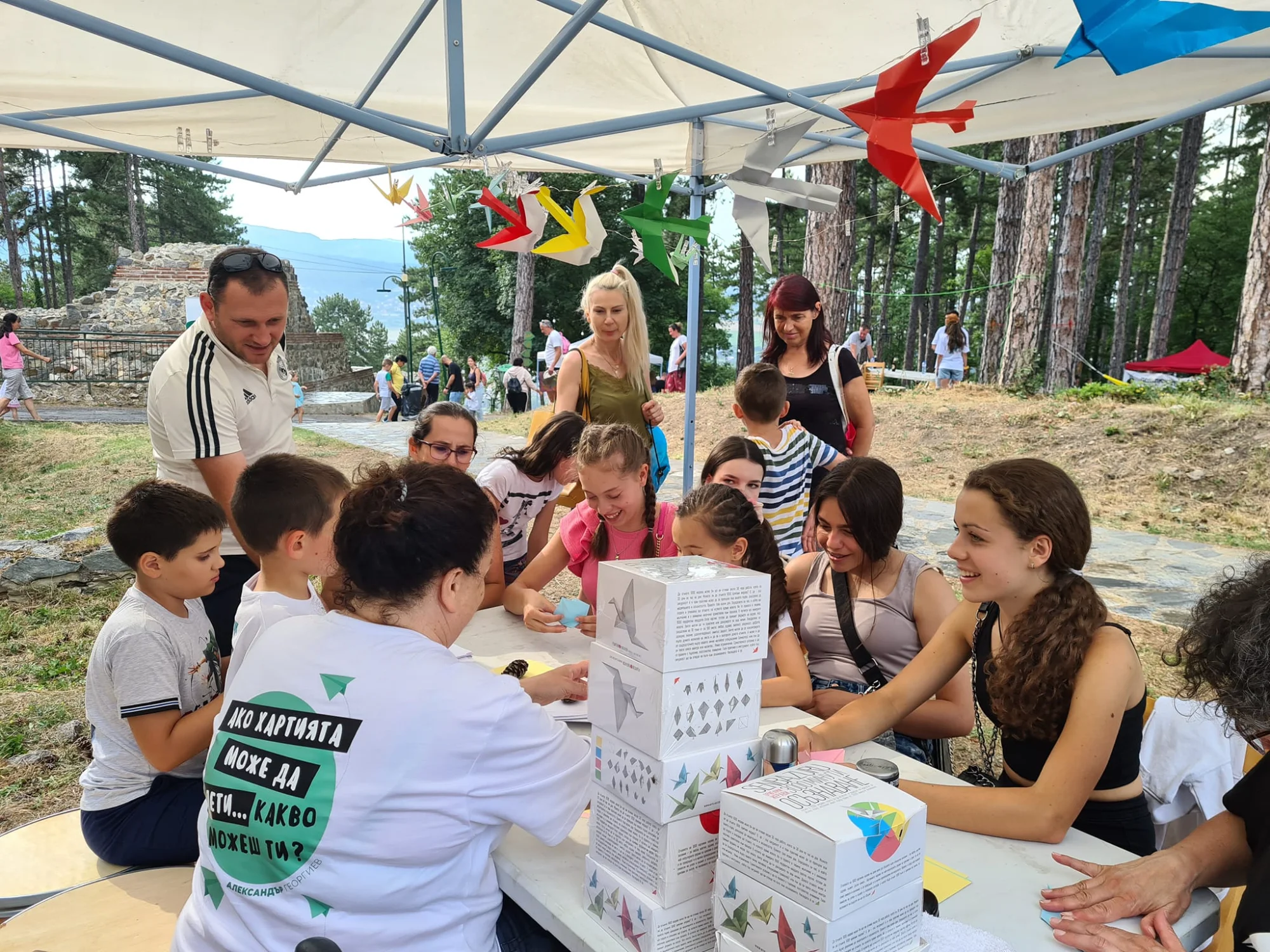
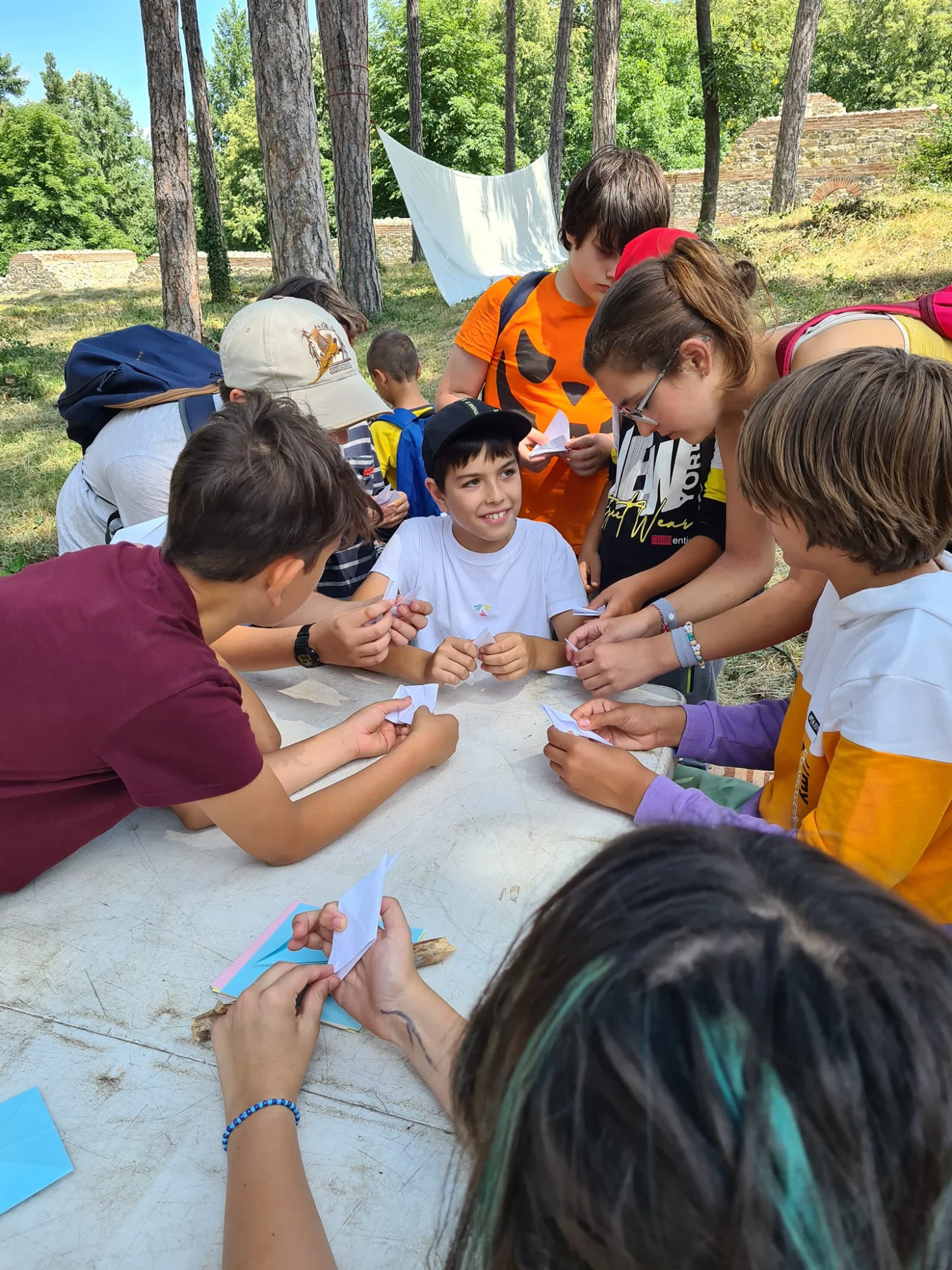
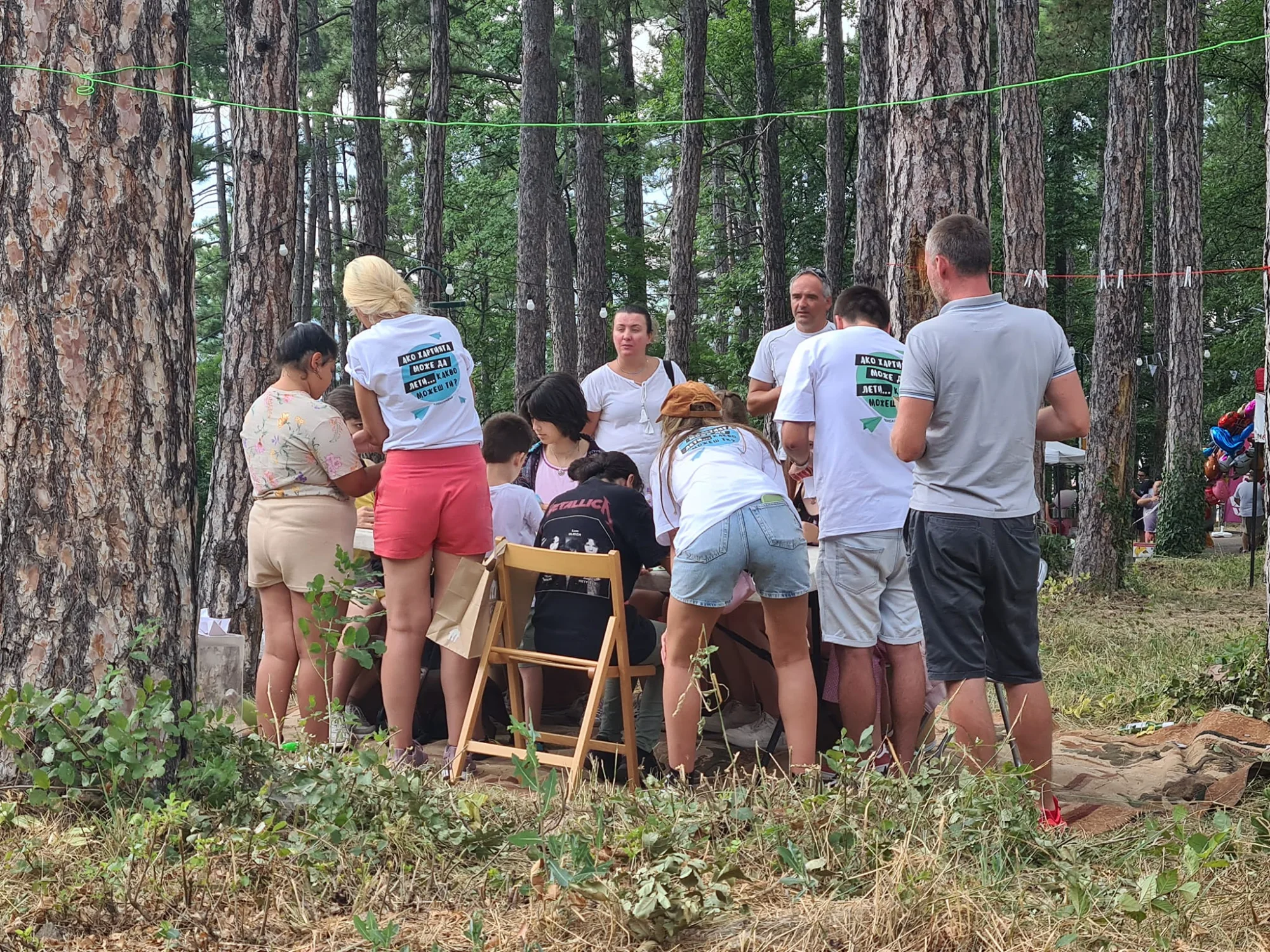
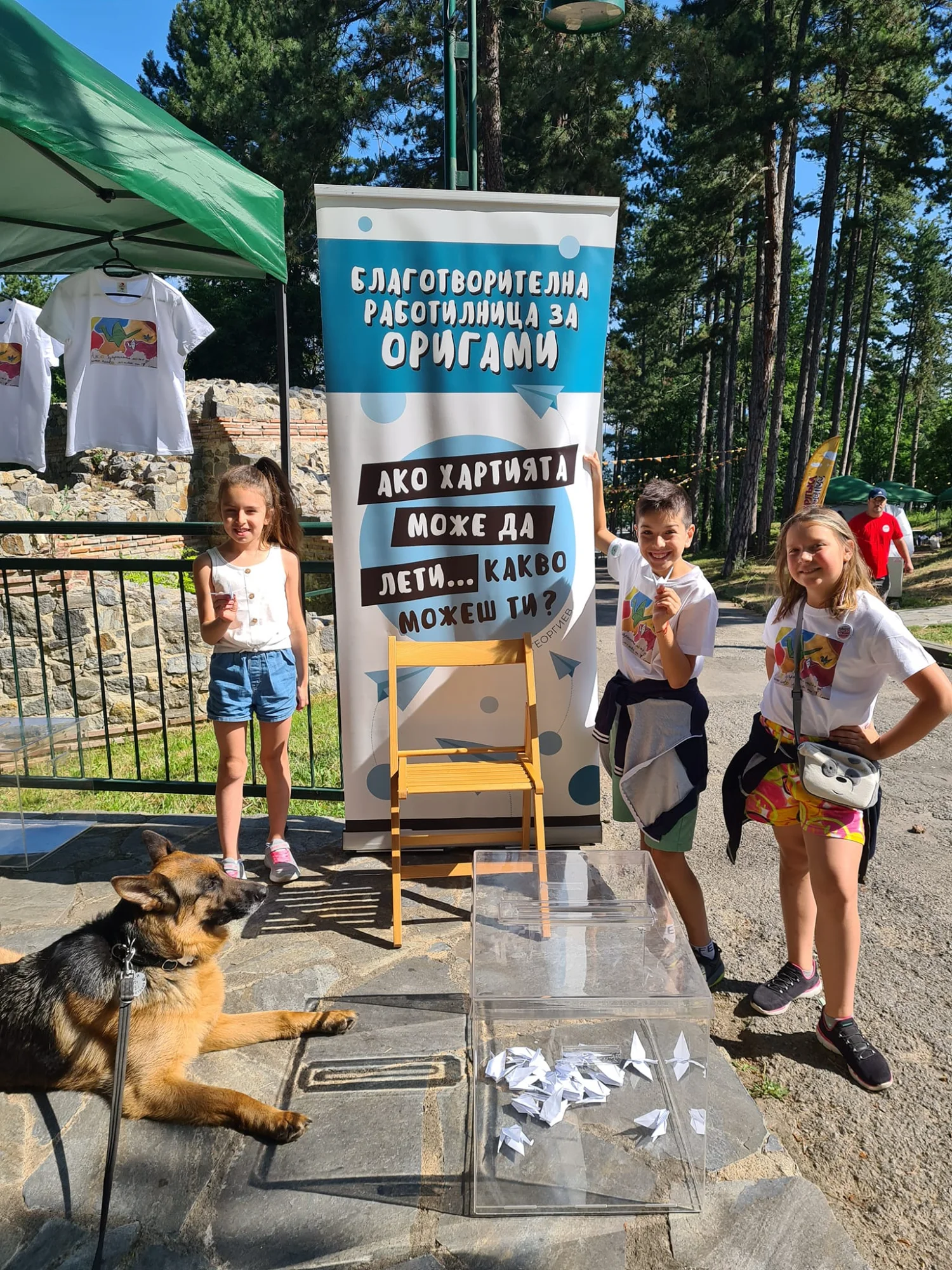
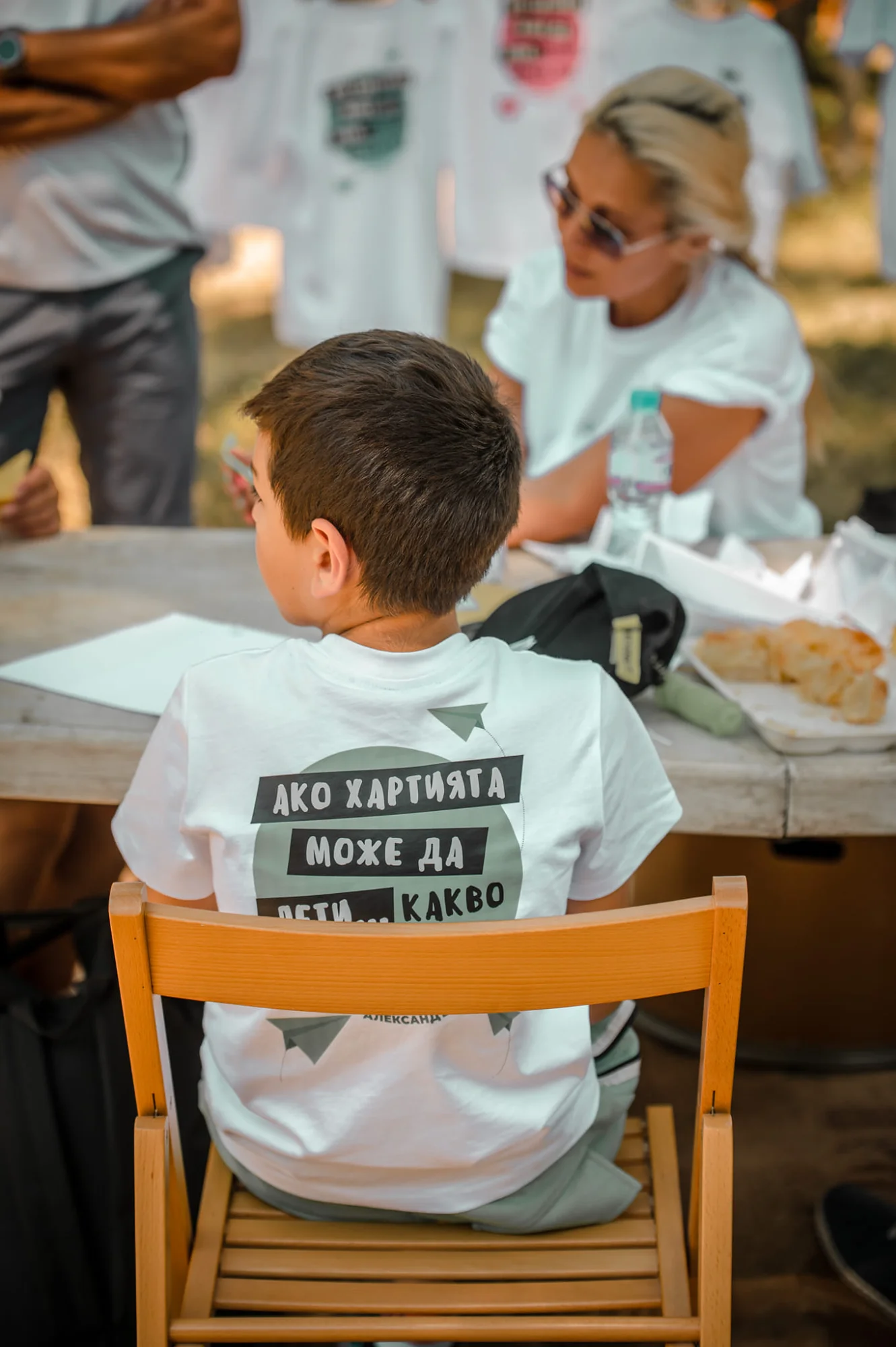
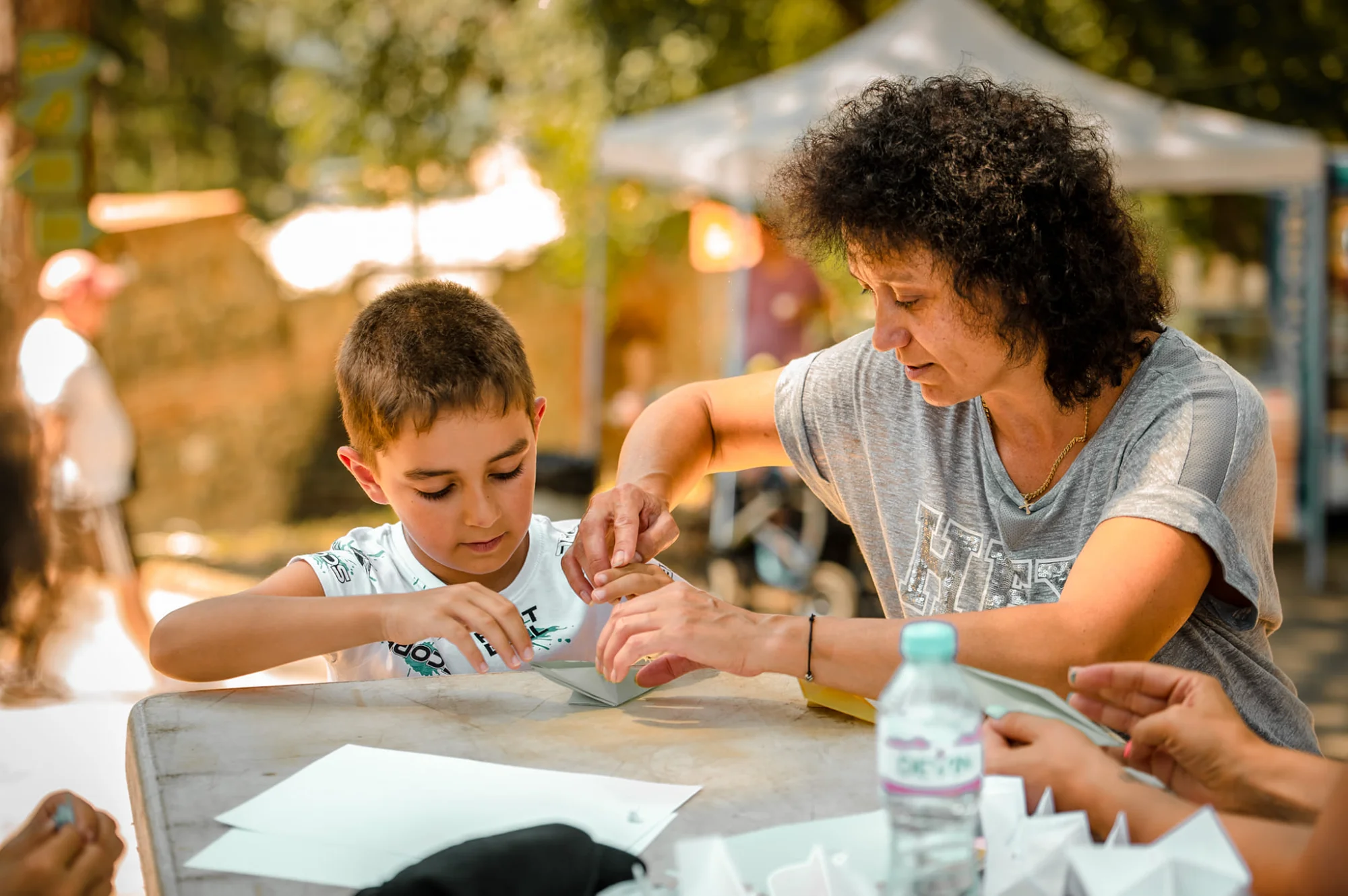
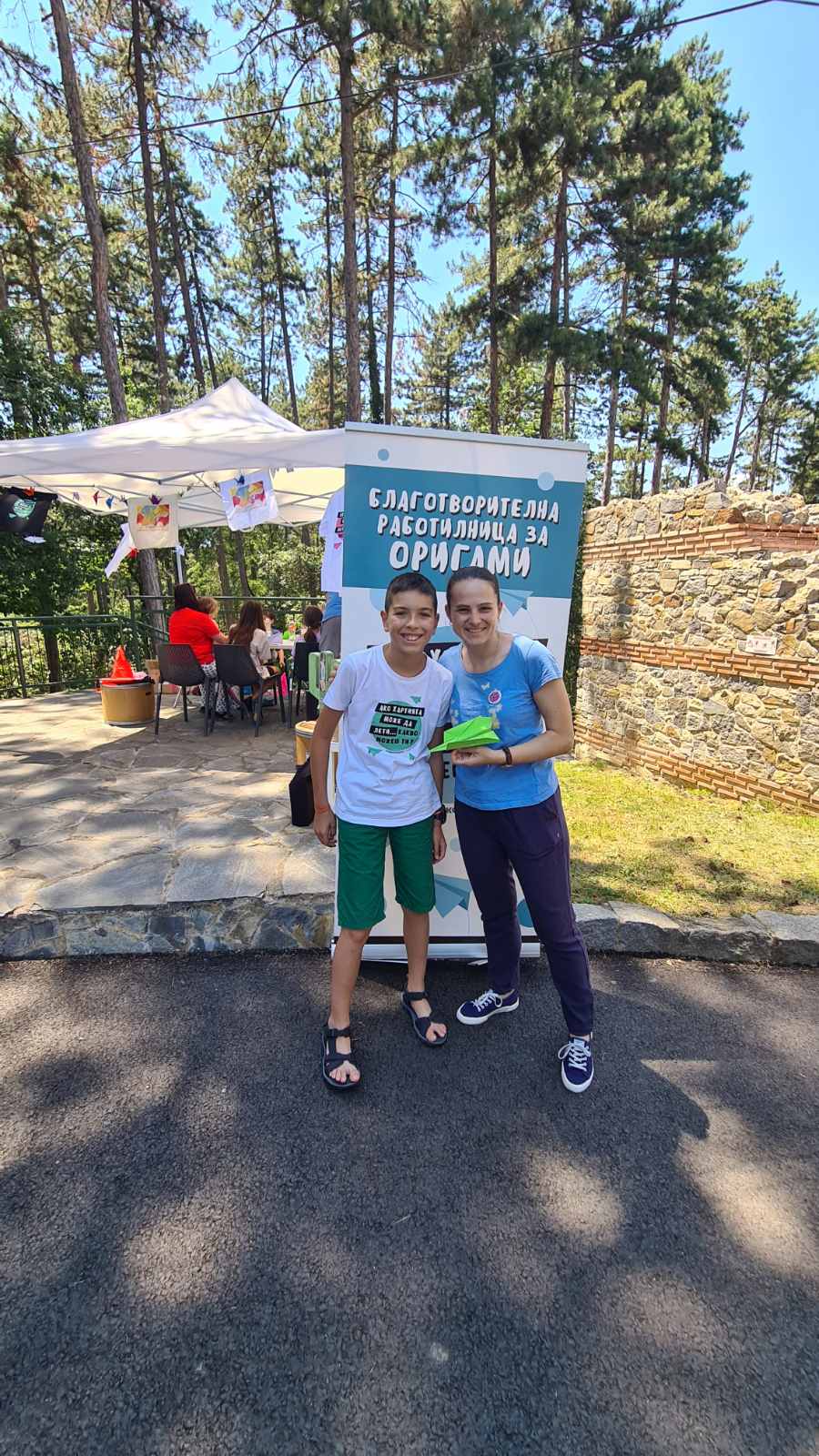
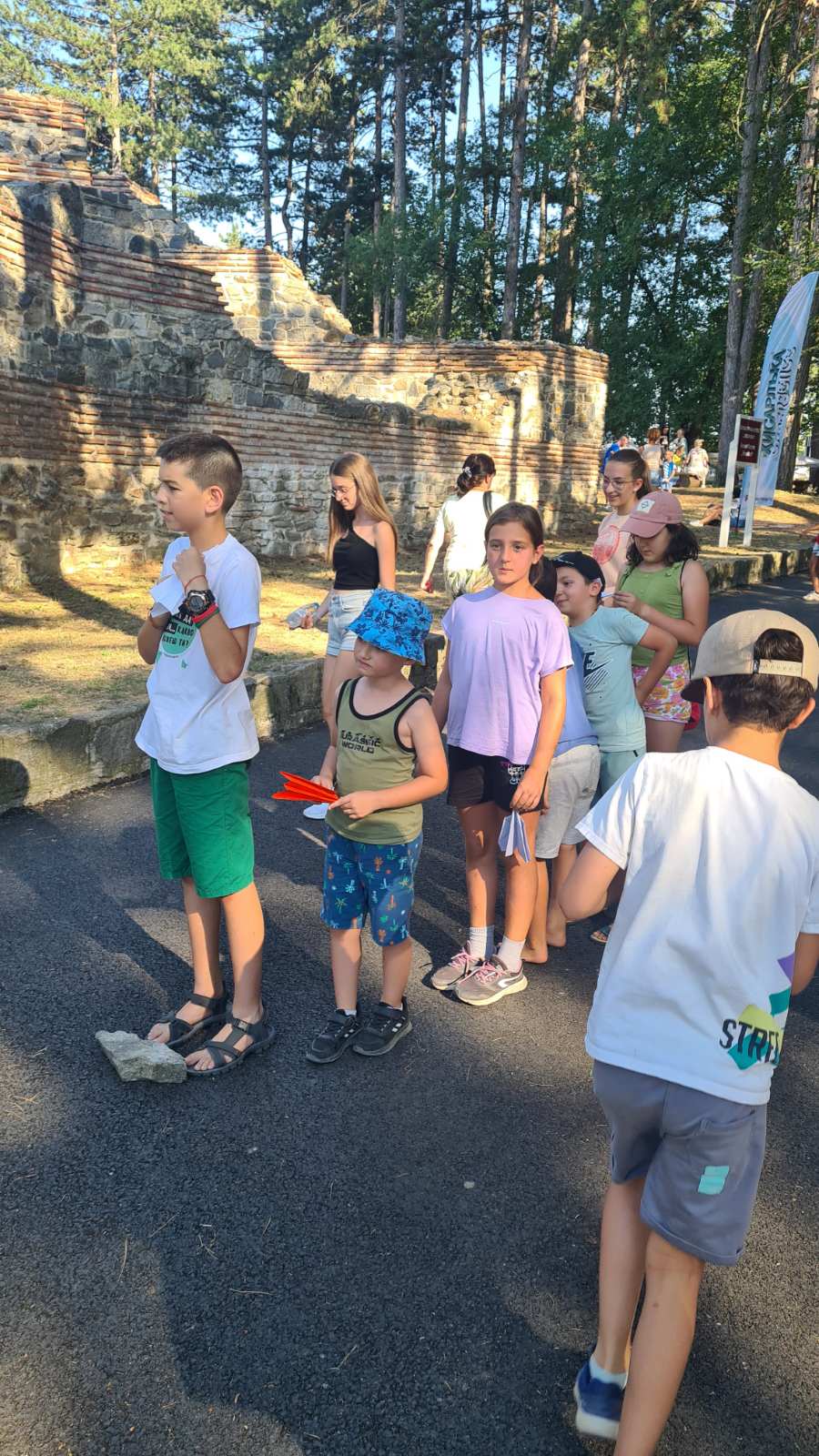
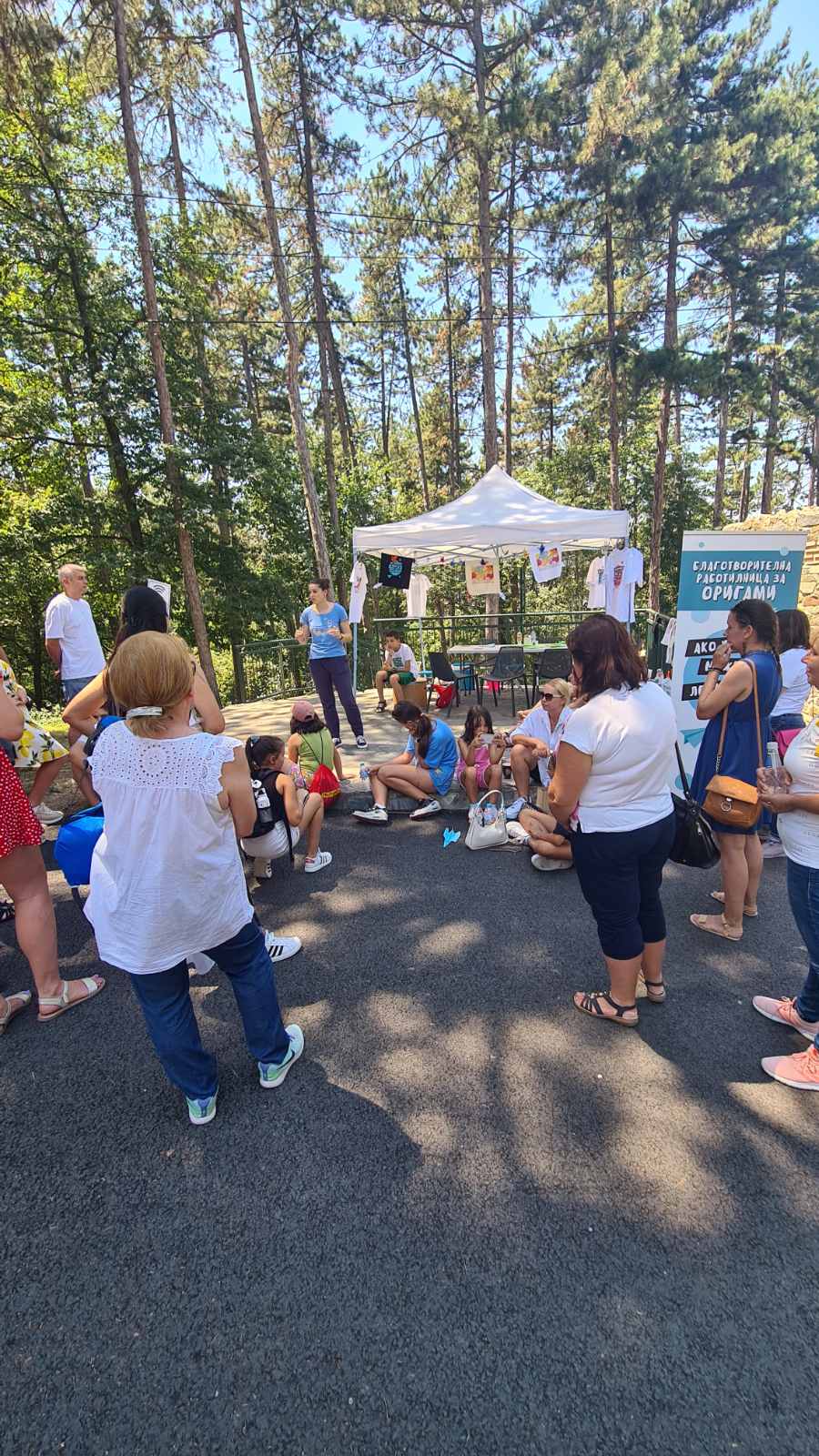
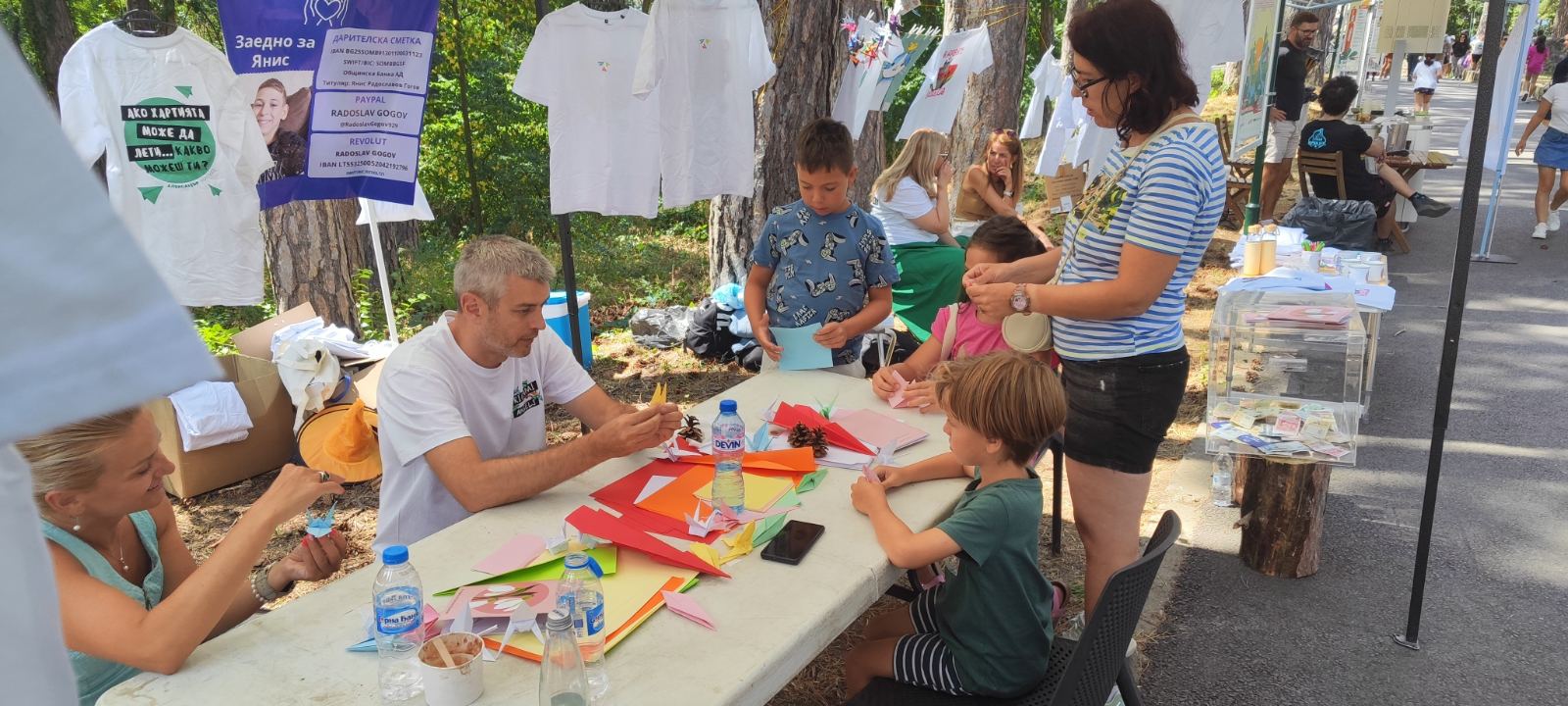
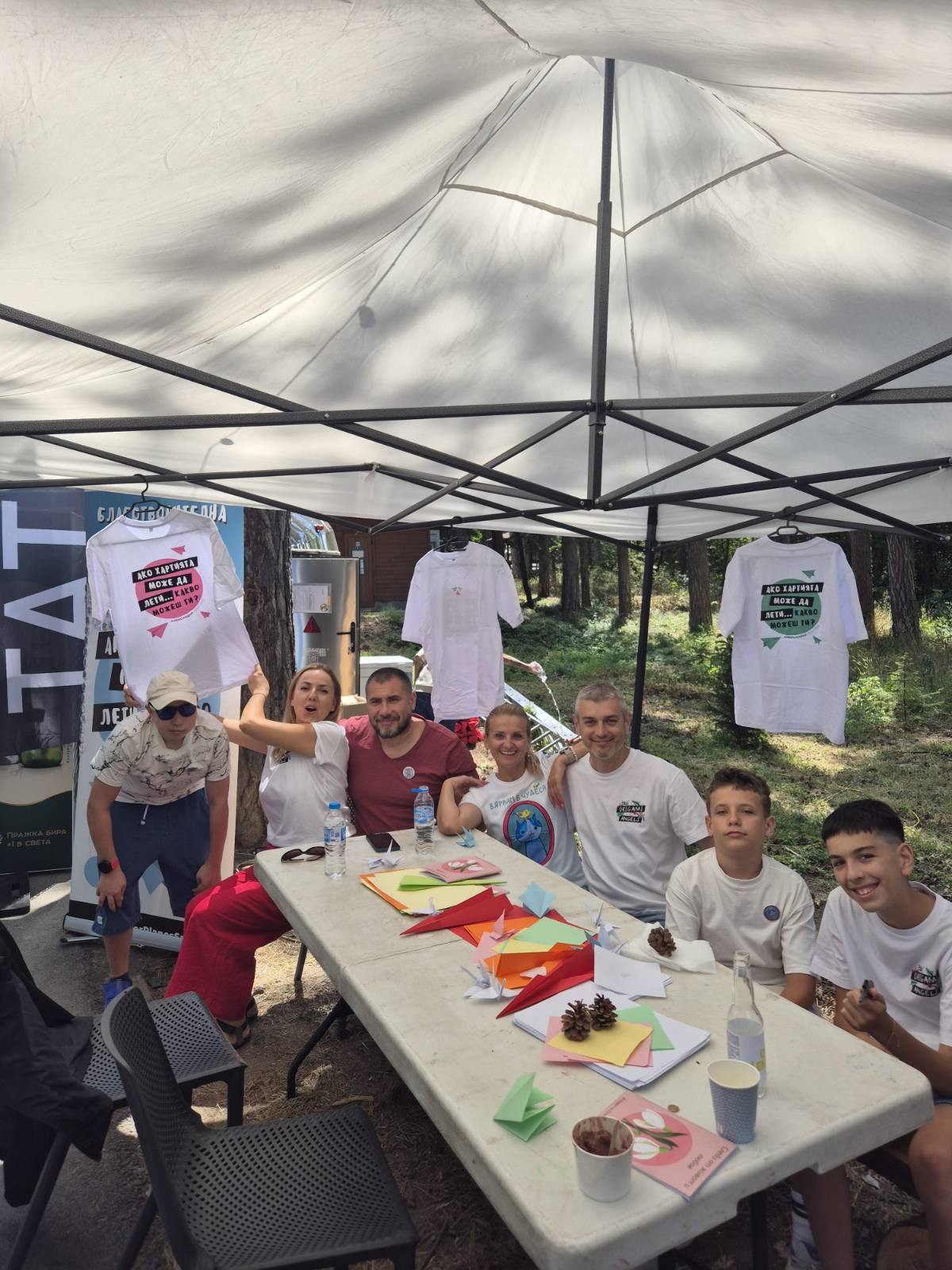
So in 2022, we went to the Hisarlaka Experience festival and created our first completely charitable origami workshop, where we placed Sashko at the center.

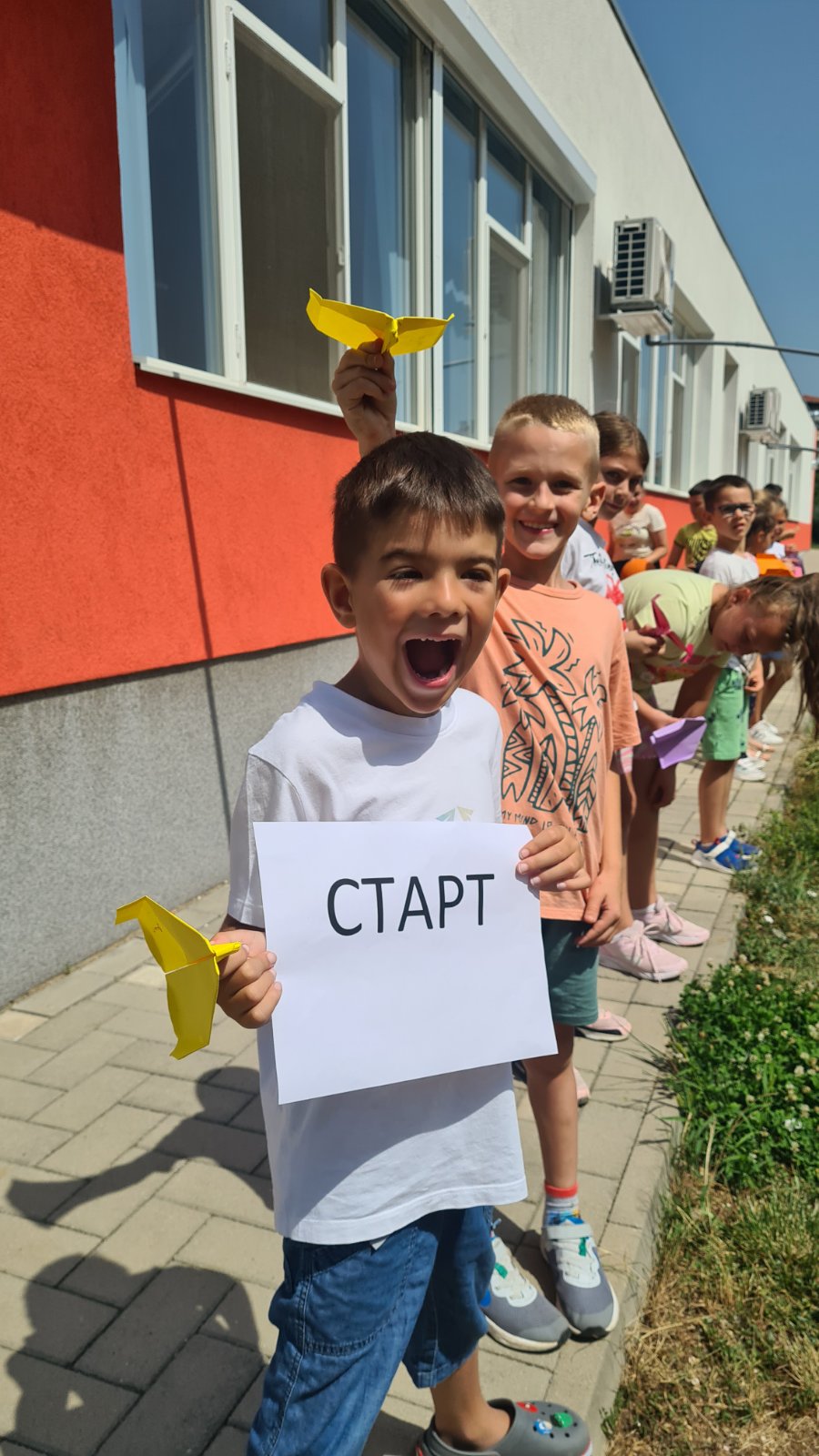
What he could do best – and even better – was to fold origami. Paper planes, cranes... whatever you can imagine.

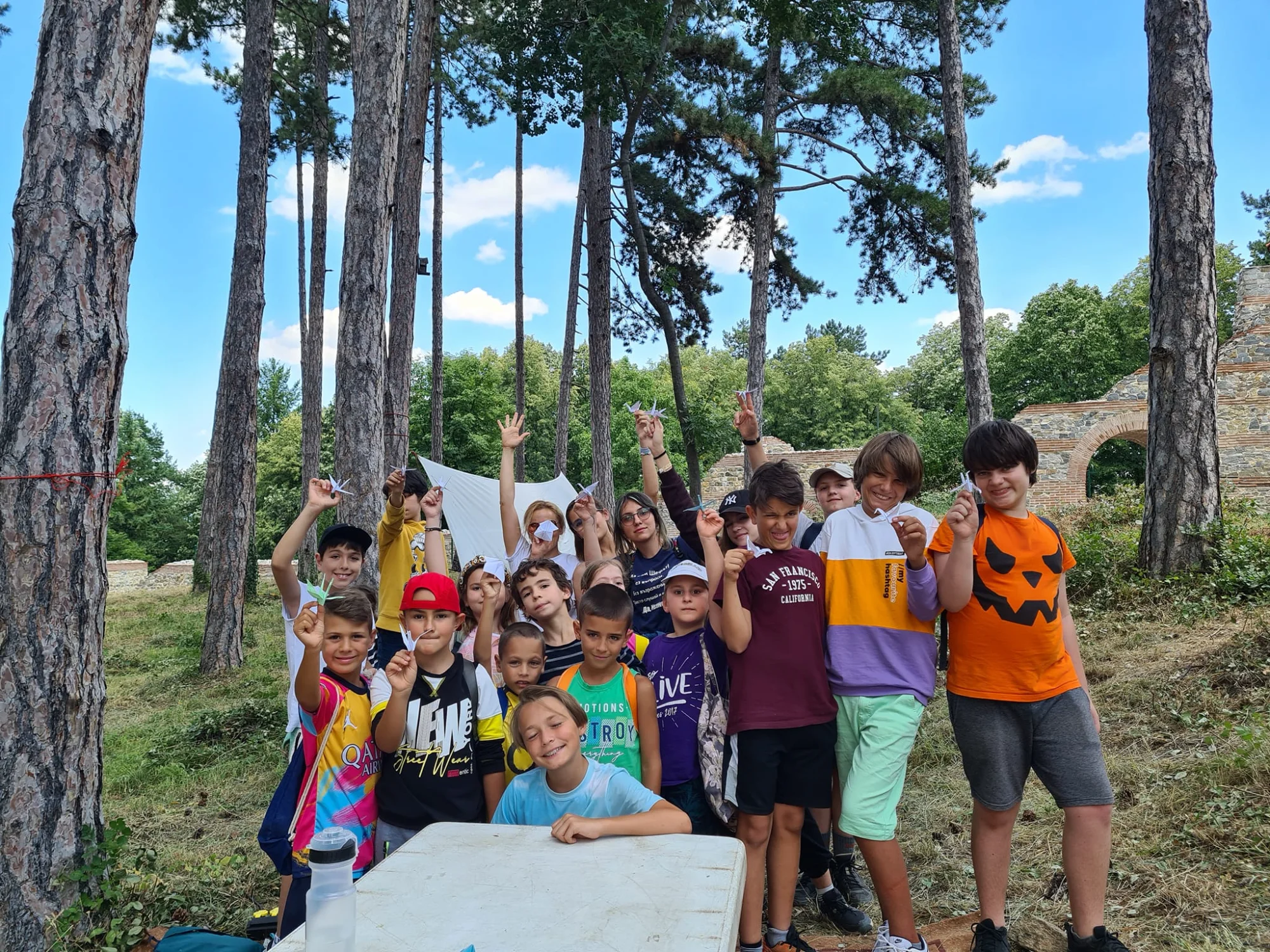
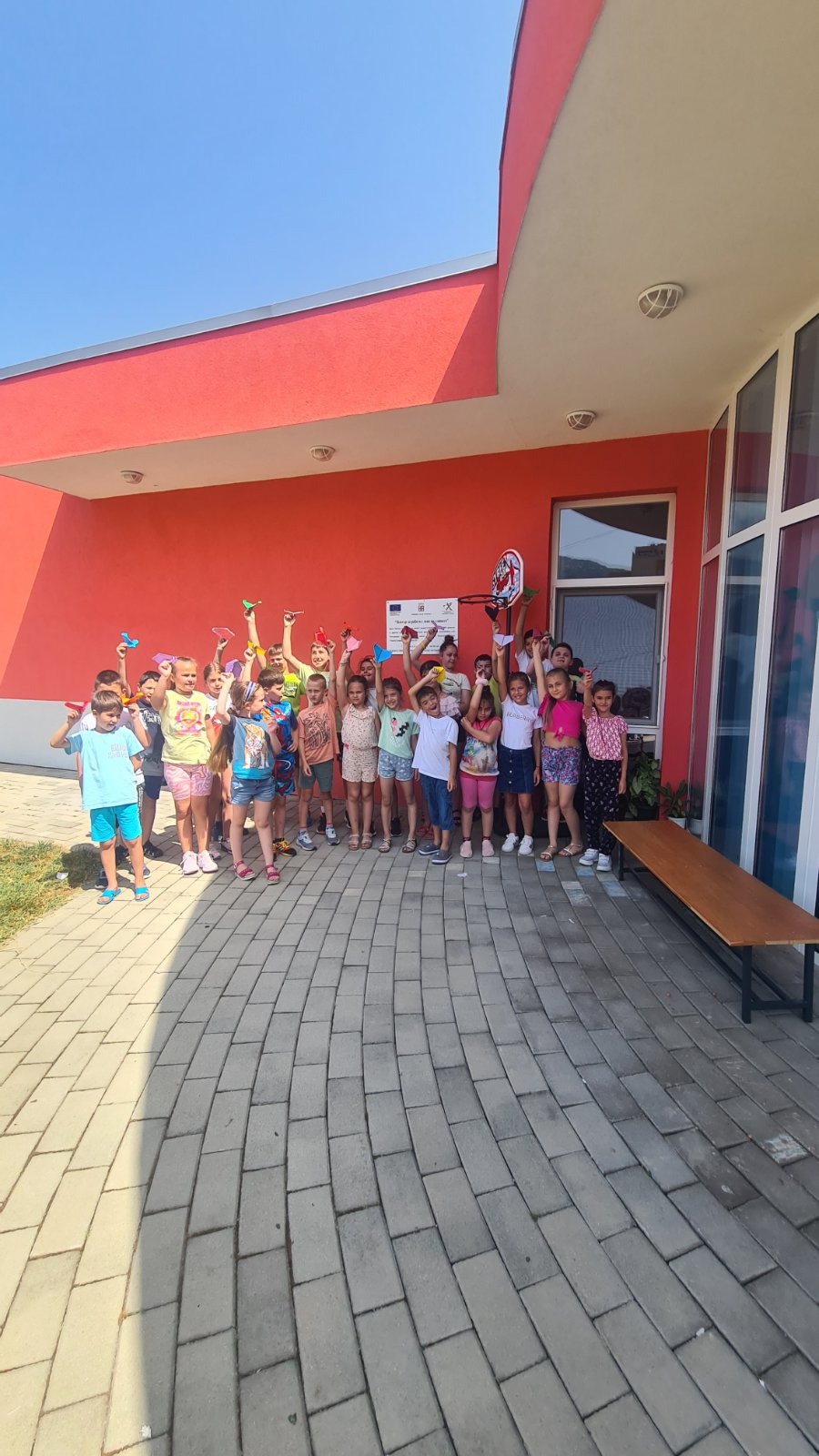
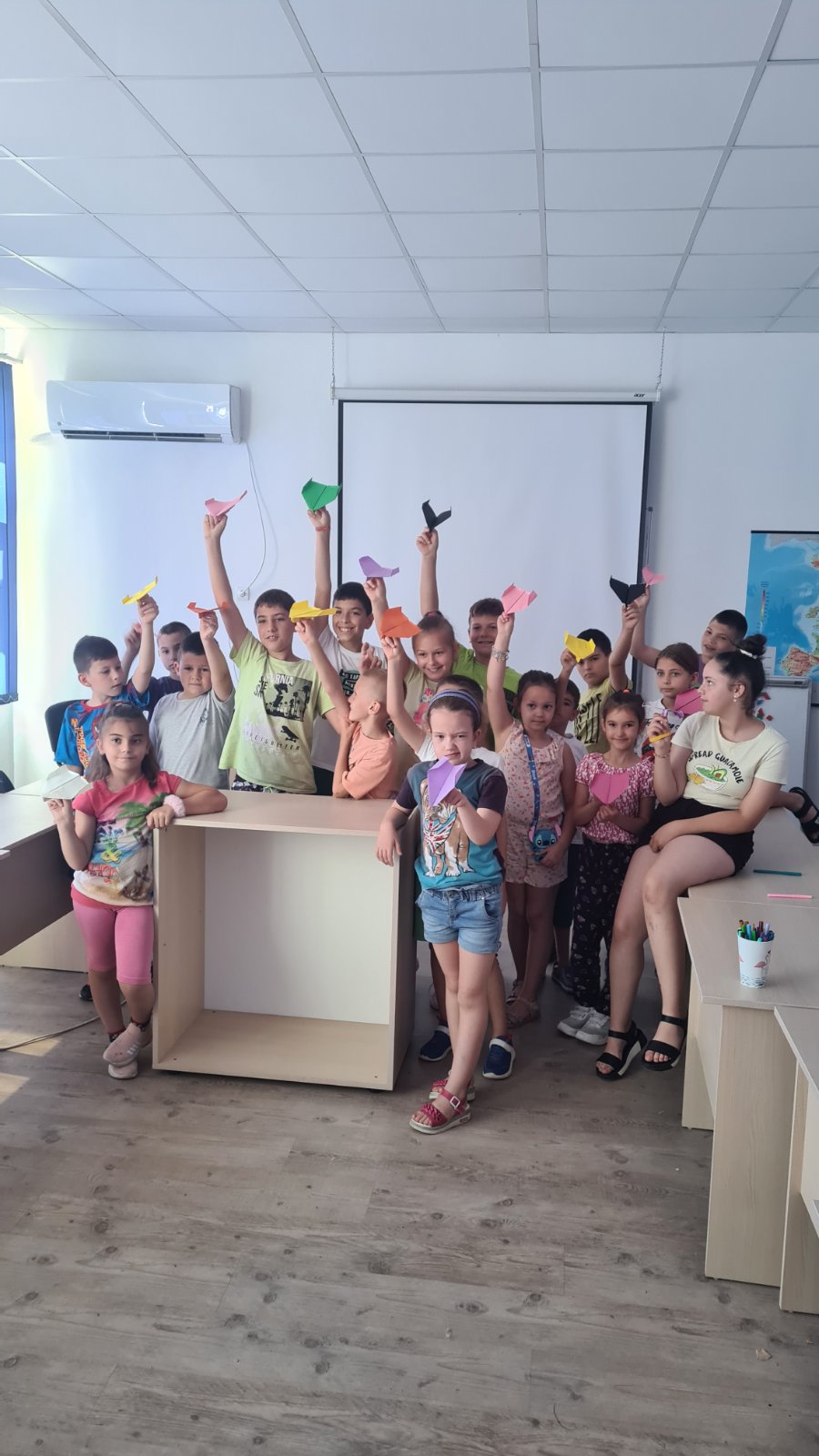
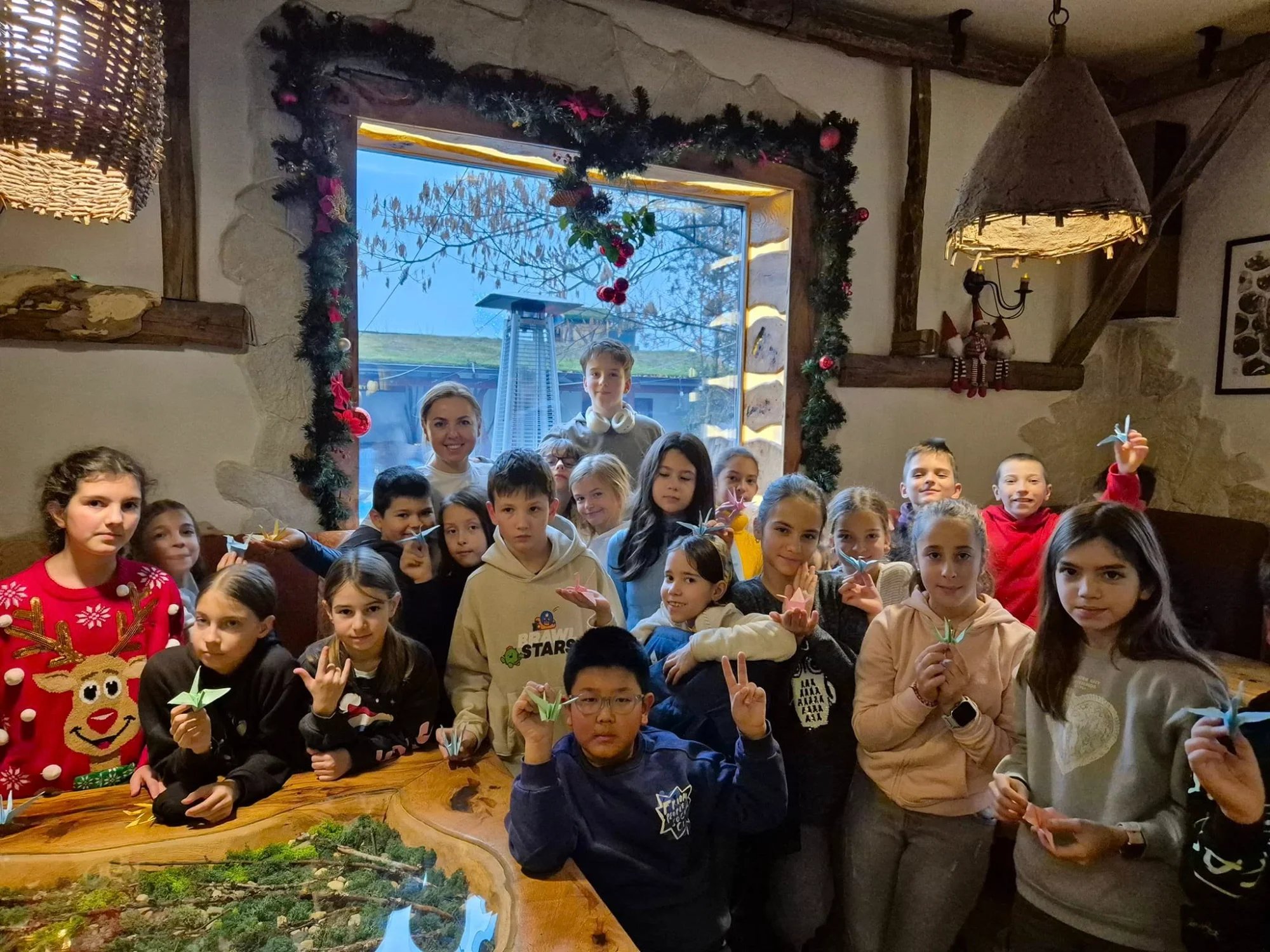
We had no plan. We gathered about ten friends who became our mentors, and opened a space through which over 500 children and adults passed in two days.

It was an absolute miracle.

People came, sat down, folded, repeated, laughed. Sometimes they stood in silence. Sometimes they just listened.

We would not call it therapy. There were no lectures.

We saw children who doubted themselves – just like Sashko. They shrugged, said quietly "I cannot" and then... created miracles.

We folded paper, but unfolded meaning.

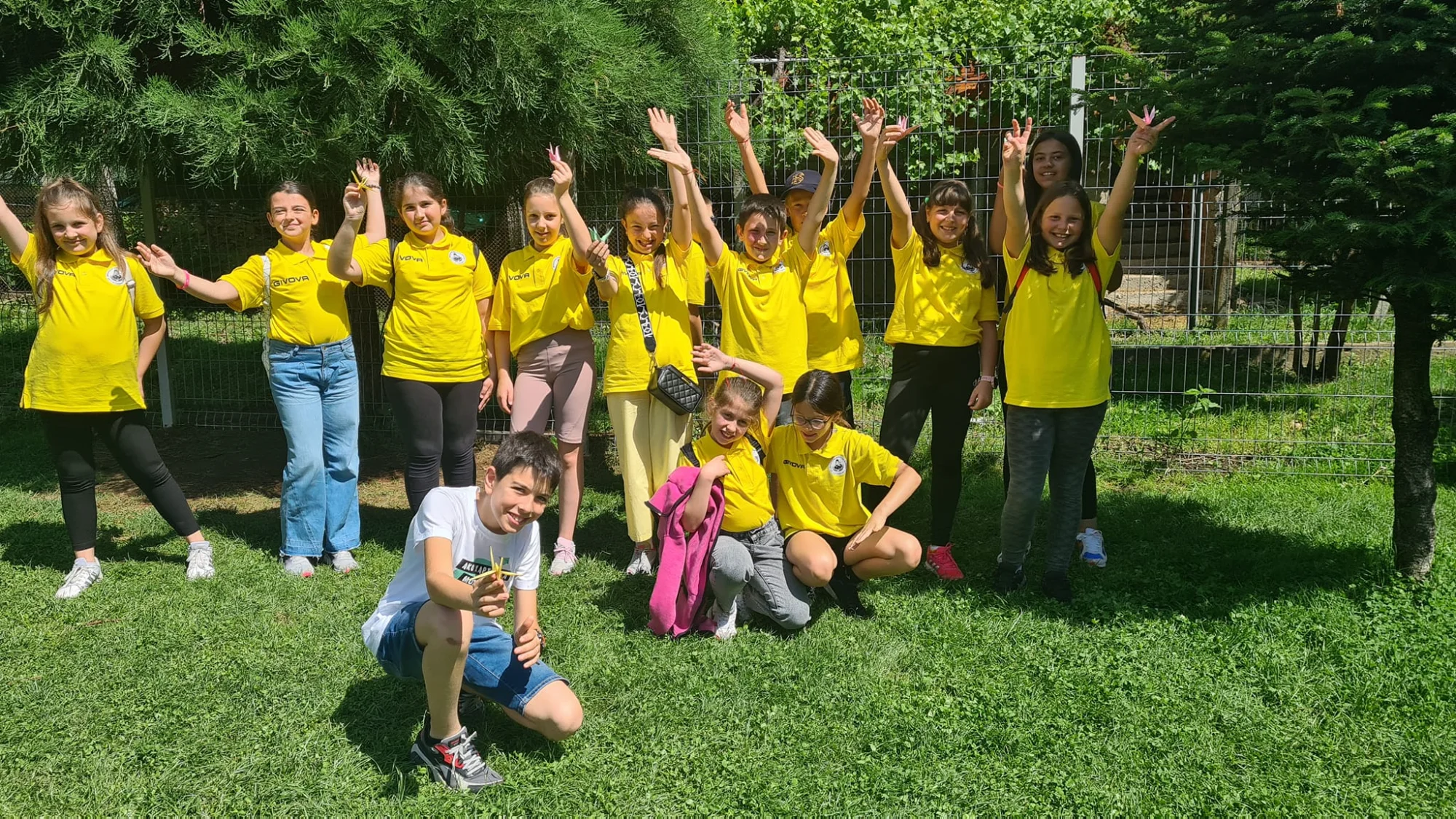
We raised funds and donated them to the "MS - I Can Do It Myself" Foundation by Bilyana Savova. We also donated the cranes we folded.

We saw Sashko, who knows he belongs.

That was the first time we realized – we were folding paper, but unfolding meaning.

And so our story continues to this day.

Here you will discover her story – and, perhaps, a piece of your own.
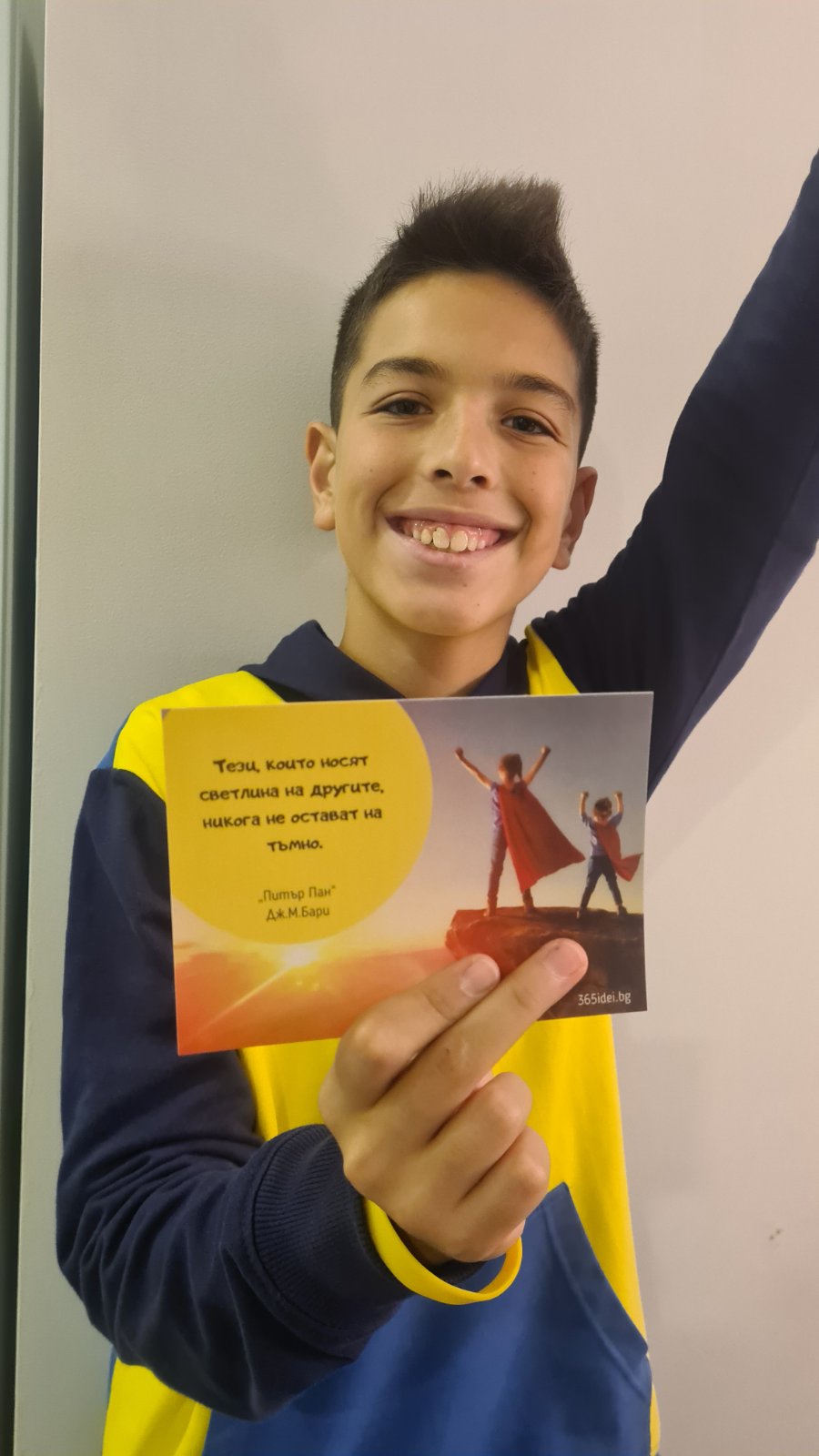
Сашко

About Sashko

If paper can fly, what can you do?

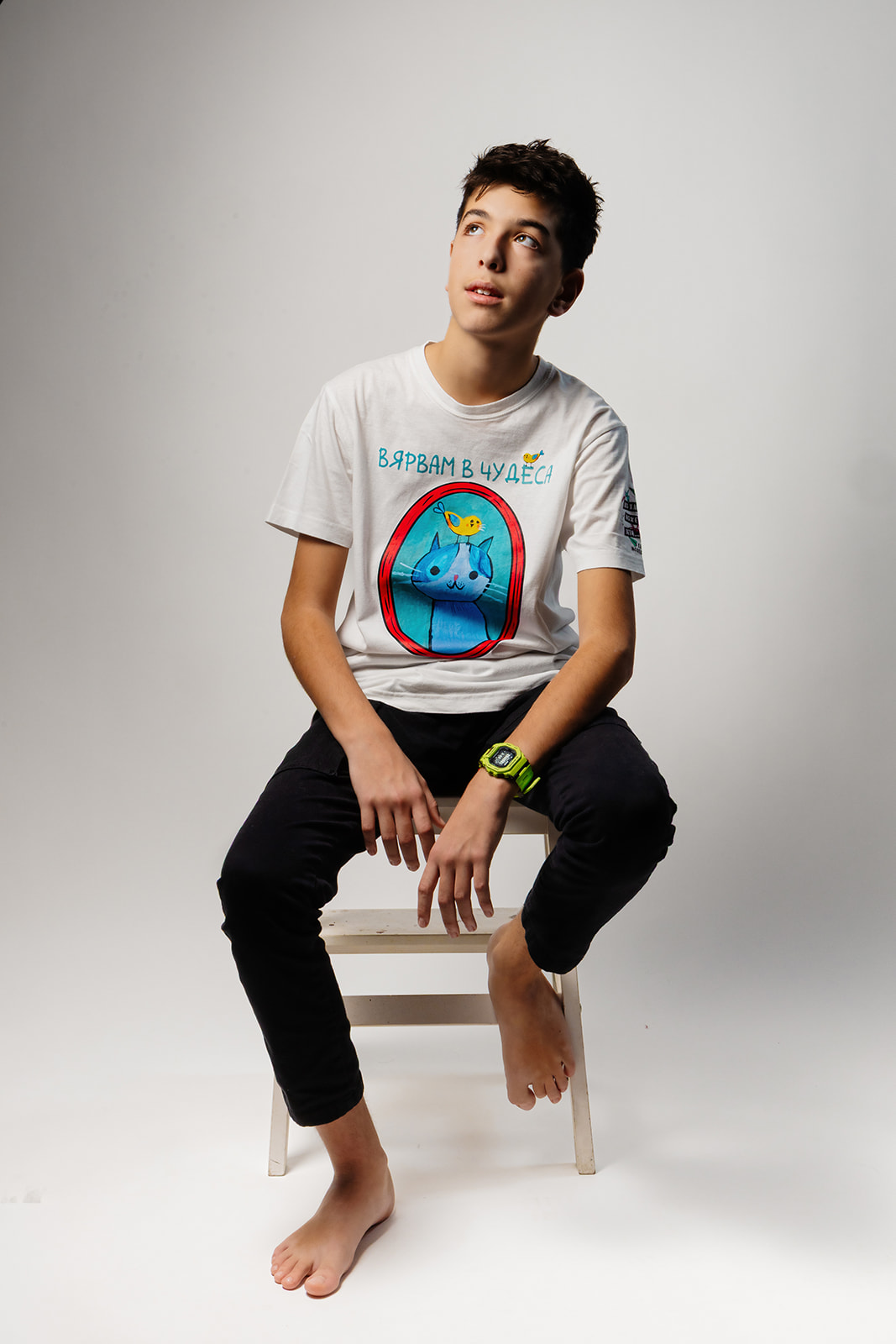
Sashko is the heart of Origami Meaning Lab.

When he was 10 years old, after having COVID, Sashko developed absence epilepsy. Wrong treatment followed, which led to a series of serious complications and a difficult period – physically, emotional, and human. This was a moment when life abruptly changed direction.

But Sashko did not get lost in this story and did not allow himself to be reduced to a diagnosis.

Сашко с послание

Even then, something appeared that proved stronger than any diagnosis – his creativity, focus, and inner strength. Origami became his language and support. Through it, he regained the feeling that he could create, think, and be confident.

Sashko is the author of the sentence that today forms the foundation of Origami Meaning Lab:

"If paper can fly, what can you do?"

This slogan was not invented by a marketer. It was born in the mind and heart of a child who folded paper to regain the sense of possibility.

Today Sashko is 14 years old. He is currently being treated abroad and is doing well. He studies AI Programming, develops himself, and looks forward. He believes the future is created, not awaited.

His dream remains the same – to one day fold a real origami car.

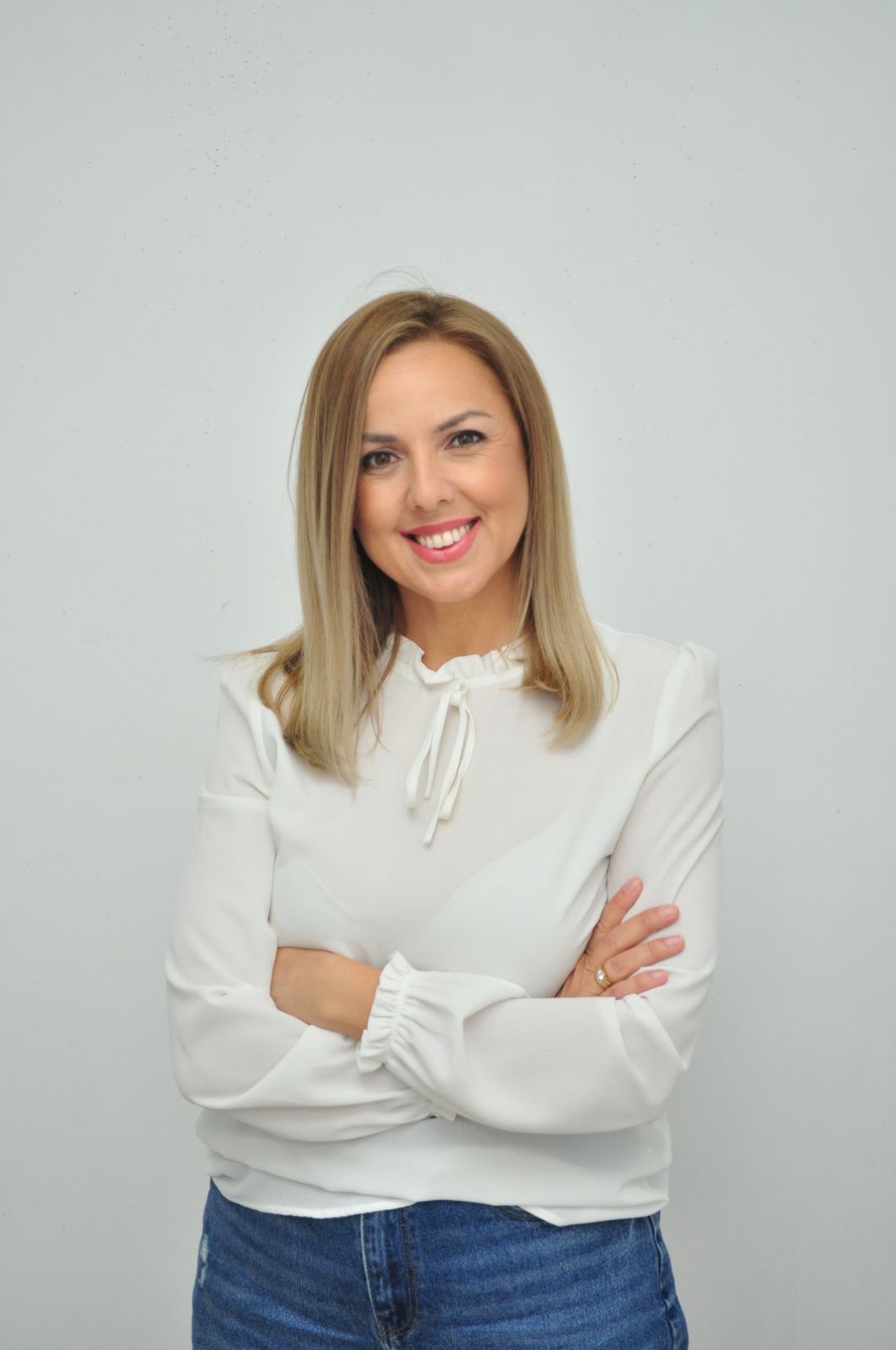
Лили

About Lily

Founder of Origami Meaning Lab

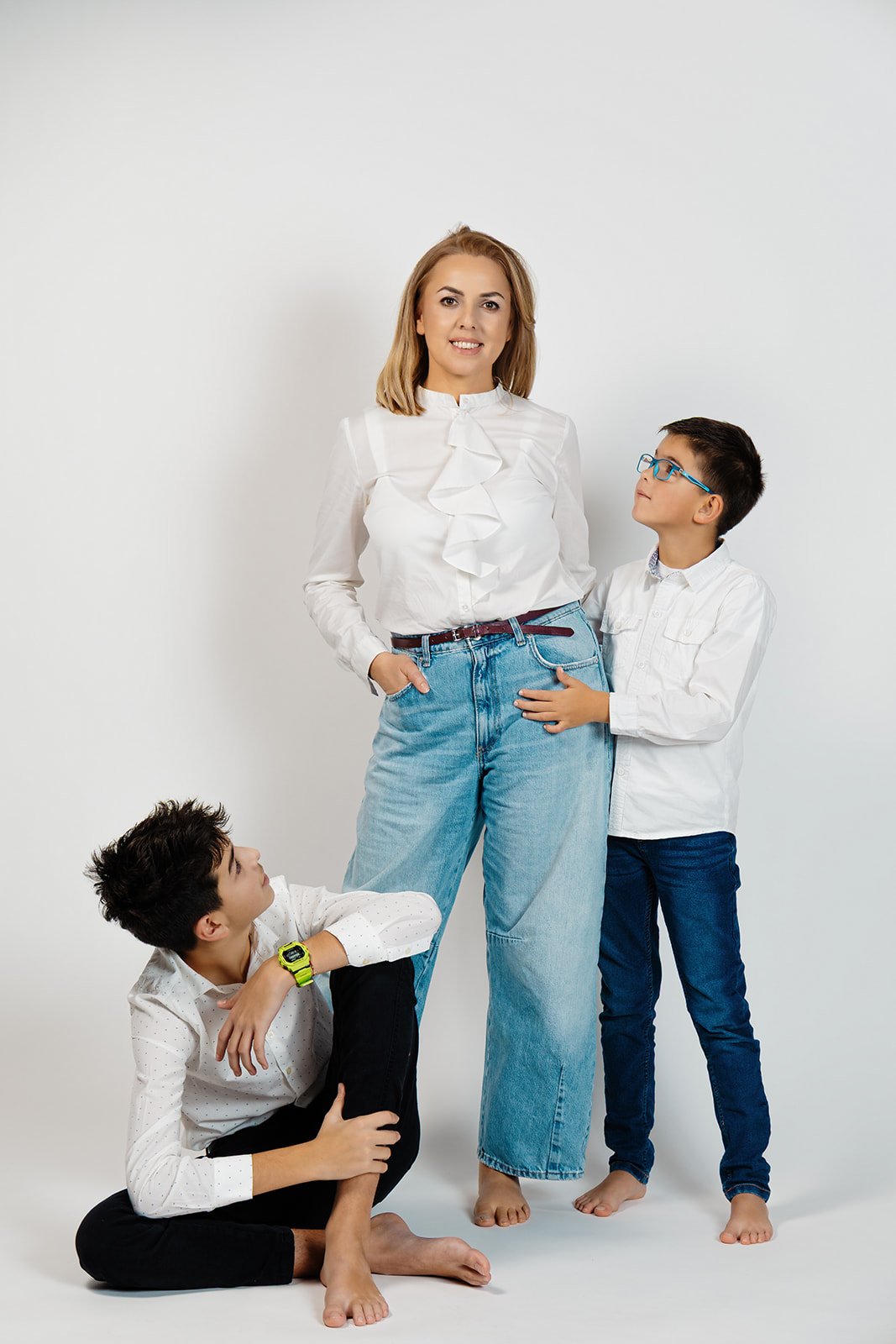
Lily is the mother of Sashko and Filip.

"It did not really matter what we expected from life, but rather what life expected from us."

Above all else, I am a mother.

My professional path passes through economics, business psychology, NLP, facilitation, and many years of work in a corporate environment. Searching for development, effectiveness, and meaning. But none of this prepared me for the moment when my son Sashko's world was shaken.

In such moments all titles disappear. Only I remain – the mother. And my desire to show my child that he is more than a diagnosis. That he is capable. That he is important. That he carries strength that no one can take from him.

That is where the idea of origami was born.

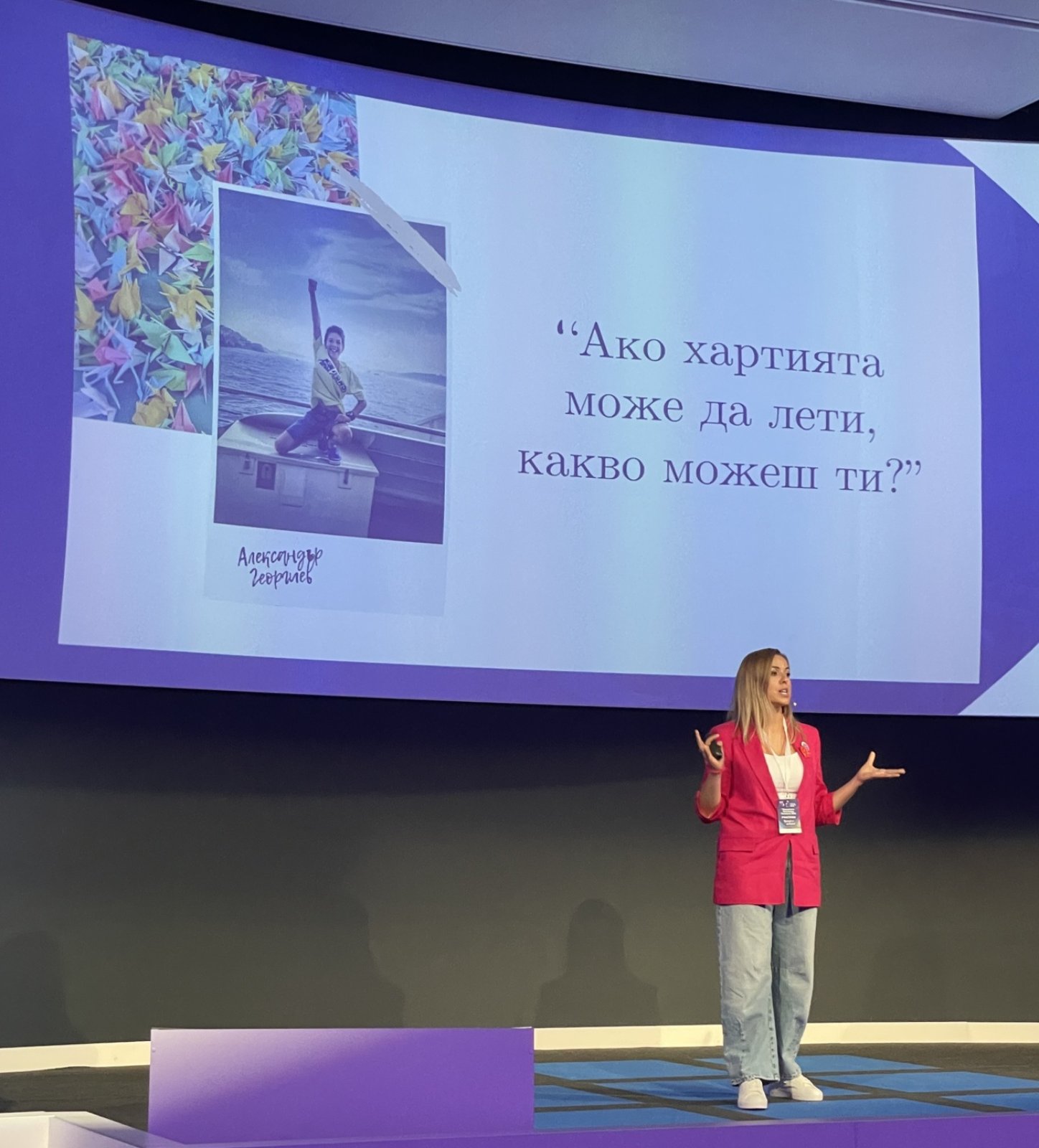
Лили на презентация

This was my way of saying: "I believe in you."

If a child can believe that a sheet of paper can fly, then a person with a heart, mind, and soul can do much more than a sheet of paper.

Origami gradually became a language – between me and my son, between action and meaning.

The first workshop was born in my parental heart.

Later I encountered the ideas of Viktor Frankl and logotherapy – with the meaning that is brought outside of us. I realized that I had been following a principle intuitively that I had not even suspected.

Today I study logotherapy and existential analysis, because I believe that meaning is not an abstraction. It is something living and concrete – in the responsibility we take, in the choice we make, and in the way we are present here and now.

Origami Meaning Lab is a love letter to all who seek meaning and can find it in what comes from their hearts and do with their hands.

  • Mother of Sashko and Filip
  • Business Psychologist
  • NLP Trainer and Facilitator
  • Student of Logotherapy and Existential Analysis
  • Founder of Origami Meaning Lab

Meaning Through Origami

An approach inspired by Viktor Frankl's logotherapy

Logotherapy teaches that meaning is not found – it is created. It lives in the actions we choose, in the relationships we build, and in the way we respond to what we cannot change. Origami is such an action.

01

Attention

Every fold requires presence. The mind cannot wander when hands are working.

02

Choice

Even when the result is not perfect, the choice to continue is yours.

03

Patience

The slow process is not a waste of time. It is the essence of being resilient.

04

Meaning

When you create something with your hands, it carries part of you – even if it is just paper.

Important clarification: This is not psychotherapy. Origami Meaning Lab offers experiential workshops, facilitated by someone who believes in the power of meaning. We do not offer treatment or therapy. We offer space for presence, choice, and action.

Workshops

For children, parents, schools, and organizations

For Children and Schools

Ages: 6-16 years

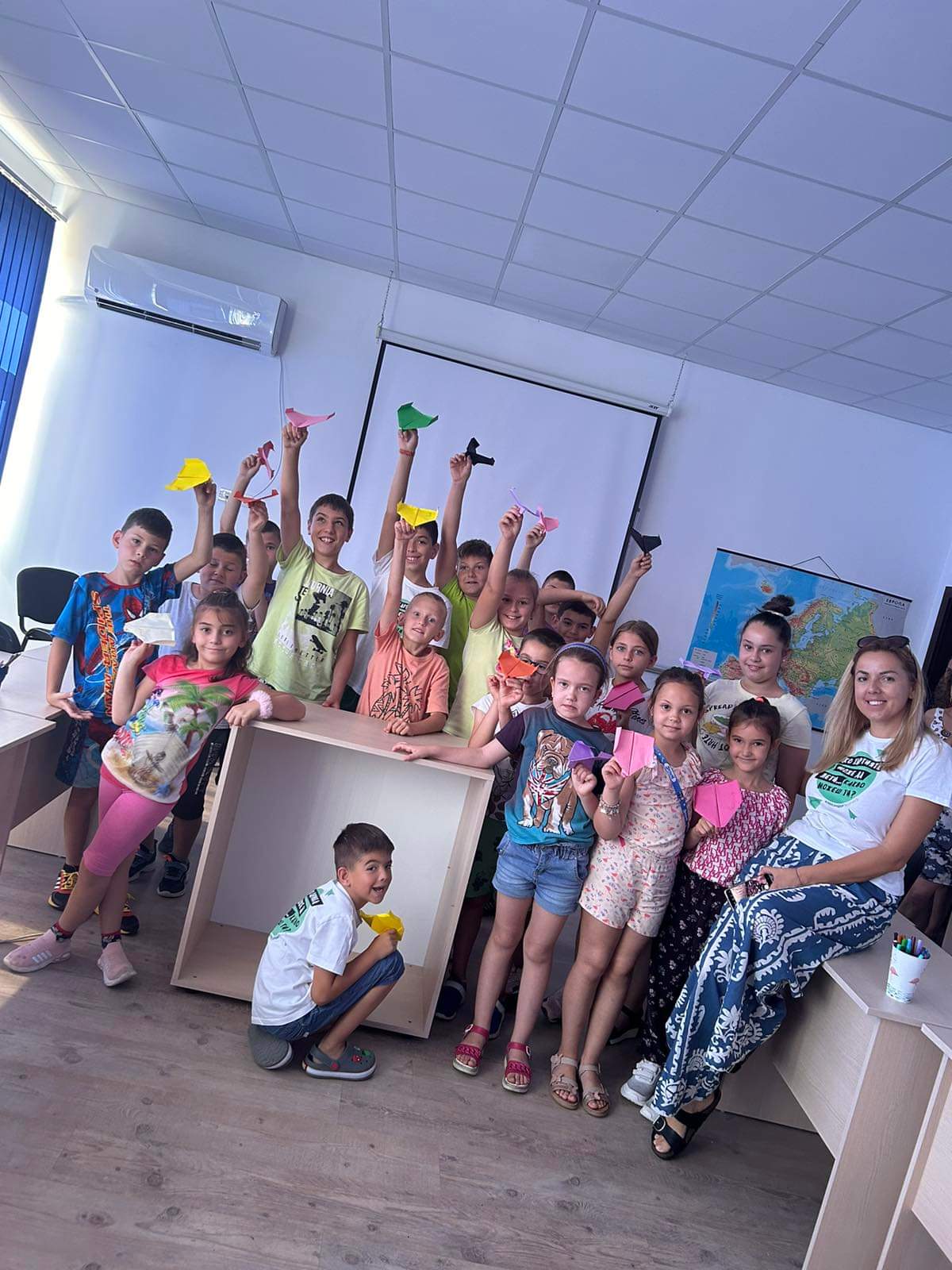
Children learn by doing. In our workshops, they don't just fold paper – they discover that mistakes are part of the process, that patience leads to results, and that creating is a form of expression.

What value does it bring? Children develop focus, motor skills, and self-confidence. They experience that small actions matter and that they can create something beautiful with their own hands.

For Parents and Adults

Groups up to 12 people

In the era of multitasking, origami is an exercise in single-tasking. These workshops are a space for slowing down, presence, and returning to the feeling that you can create something that has meaning for you.

What do participants experience? Calmness, concentration, and connection with yourself. Opportunity to stop, work with your hands, and discover meaning in the simplicity of action.

For Offices and Organizations

Team building & Well-being

In the corporate environment, origami is not just a team building activity – it is an exercise in focus, patience, and co-creation. Workshops can be adapted to the team's needs.

What value does it bring? Teams experience a moment of shared presence, learn patience and communication without words, and discover that creating together brings a sense of connection.

Peace Island

A space for sharing, learning, and meaning

We will soon share more about our space and upcoming events.

Mentors

People who inspire and support our mission

We will soon introduce our mentors and partners.

Basic Trust

The Mother as a "Cathedral" in Children's Lives

Liliya Georgieva

Lily with her sons

A few years ago, in one of those moments when life seems to tear up the white sheet and tell you: "Come on, my girl – welcome to the test," someone told me something that stayed with me.

"You are a mother. You must be like a cathedral – unshakeable for the children."

I didn't know then that years later I would study logotherapy and existential analysis and that I would encounter a concept that so precisely describes this feeling. This concept is basic trust.

Today, as I study Viktor Frankl's theory, I realize that behind this life observation lies an entire scientific and philosophical framework for human existence.

What is Basic Trust?

Basic trust begins to form during the first year of a person's life. During this period, the child builds their primary relationship with the world through the connection with the caring adult – most often the mother.

This trust is the deep inner feeling that:

  • the world is a safe enough place
  • life has value
  • there is someone to rely on
  • one's own existence is accepted and desired

In classical psychology, basic trust is often viewed as an early psychological structure that forms in childhood and influences later personality development.

In logotherapy and existential analysis, however, this idea is expanded. Basic trust is not only a result of early experiences. It is also an existential position that a person can choose and develop throughout their entire life.

This is one of the most powerful ideas in Frankl's teaching – that a person always retains their inner freedom to take an attitude toward their circumstances.

The Mother as a "Cathedral"

In this context, the metaphor of the mother as a "cathedral" takes on special significance.

A cathedral is not just a building. It is a symbol of stability, resilience, and a space for meaning. People enter a cathedral to find support, silence, and security.

Similarly, for a small child, the mother often becomes the first "cathedral" of life – the place where the world becomes ordered and understandable.

This does not mean that the mother must be perfect. Nor that she must always be strong and flawless. Rather, it means that she strives to be a stable enough emotional support to which the child can return.

When this support exists, it creates conditions for the development of several key aspects of personality.

1. Sense of Security

The first and most basic experience that a child receives through basic trust is the feeling of security. When their needs are met – physically and emotionally – the child begins to believe that the world is a place where they can exist peacefully. This is the foundation upon which later exploration of the world is built.

2. Emotional Stability

Children learn their emotions through relationships. When the mother responds with understanding, warmth, and presence, the child gradually develops the ability to recognize and regulate their own feelings. This forms inner emotional resilience.

3. Capacity for Relationships

Basic trust is also the foundation of human relationships. A child who has experienced a reliable connection at the beginning of their life more easily builds trust and closeness with other people.

This creates the capacity for: empathy, connection, and cooperation.

4. Self-confidence and Autonomy

Paradoxically, it is precisely the stable connection that makes independence possible. When a child knows they have secure support, they dare to move away, to experiment, to explore the world and their own possibilities. This is how self-confidence and autonomy develop.

5. Coping with Stress

People who have a foundation of basic trust cope more easily with life's difficulties. This does not mean they don't experience pain or crises. But they more easily find inner resources and meaning when going through them.

When Basic Trust is Wounded

Life, however, does not always offer ideal conditions. Sometimes early relationships are marked by insecurity, loss, or trauma.

Here logotherapy offers an extremely important perspective. According to Frankl, a person is not ultimately defined by their past.

Even when basic trust has been wounded, it can be gradually restored through new meaningful relationships, through personal decisions, and through discovering meaning in life.

This idea brings tremendous hope: the human personality remains open to development.

Freedom of Will

One of the fundamental principles of logotherapy is freedom of will.

A person may not choose everything that happens to them. But they always have the possibility to choose their attitude toward what is happening.

This is precisely where basic trust becomes not only a psychological foundation but also an existential position – trust in life, despite its uncertainty.

Basic trust can be compared to an emotional foundation – that "ground zero" upon which human life is built.

When this foundation is stable, a person can more easily learn, love, create relationships, and cope with difficulties.

But even when the foundation has been shaken, life does not end there. A person has the ability to build new inner supports and new trust in the world.

Perhaps this is one of the most beautiful ideas in logotherapy – that meaning and trust are not only given, but also chosen.

And sometimes, even when we ourselves feel like a broken puzzle being assembled by the light of a night lamp, for a child we can be something very important.

We can be their cathedral.

Shop

Origami products created with meaning

Coming Soon

Every purchase supports our mission and carries part of its value to causes we believe in.

Contact

If you are looking for meaning, focus, or a new way to connect with yourself – welcome. We will be happy to hear from you and understand how we can be helpful.